
Treatments
Statin Treatment Records Before Cardiac Care in China: What to Discuss with Your Clinician
Prepare a clear statin medication history, lab records and symptom timeline before a cardiac-care discussion in China. Do not change treatment without your clinician.
MedToChina Editorial Team · 8 min read · October 21, 2026

Quick Summary
If you take, previously took, or had concerns while taking a statin, a clear medication history can help a qualified cardiac team understand your background when you are planning care in China. Document what actually happened: the medicine name, dose, dates, reason it was prescribed, other medicines and supplements, relevant laboratory reports, symptoms you noticed, and what your treating clinician advised.
This guide is for organizing existing records for a China-care conversation. It does not establish that a symptom was caused by a statin, tell you to stop or change a medicine, or determine whether a particular lipid-lowering treatment is appropriate. Those decisions require your current clinician and any receiving clinical team to review your individual history.
Reviewed October 21, 2026.
Why a Medication History Is More Useful Than a Label
“Statin intolerance,” “side effect,” and “muscle pain” are not complete clinical histories. Symptoms may have more than one possible cause, and the timing, medicine exposure, other treatments, medical conditions, and clinical assessment all matter. A short message such as “I cannot take statins” may leave a receiving team without the information needed to ask the next question.
Statins are commonly used cholesterol-lowering medicines, but individual prescriptions and follow-up plans vary. For cross-border care, a traceable record helps the clinical conversation start with evidence instead of a reconstructed memory.
Build a Dated Statin Timeline
Create one page that lists each statin separately. Include the generic and brand name if known, dose, schedule, start date, stop date or current status, and who prescribed it. If the dose was changed, add the date and documented reason where available.
For each period, note:
- Why the medicine was prescribed, as written in your records.
- Other medicines, supplements, or herbal products taken at the same time.
- Symptoms or concerns, their approximate onset, duration, location, severity in your own words, and whether they improved, persisted, or changed.
- Any clinical contact, advice, laboratory testing, urgent assessment, or hospital visit.
- What your clinician advised, including any documented change.
Write facts, not conclusions. “Leg discomfort began about two weeks after the dose changed” is a useful timeline entry. “The statin caused nerve damage” is a medical conclusion that should not be made from a patient note alone. If you do not know an exact date, mark it as approximate.
Prepare the Current Medication List in Full
A cardiac-care team needs more than the name of one cholesterol medicine. Use prescriptions, pharmacy labels, discharge summaries, and your clinician's instructions to prepare a current list of all prescribed medicines; over-the-counter products, vitamins, supplements, and herbal preparations; dose, frequency, route, and prescribing clinician where known; documented allergies and reactions; and recent additions, removals, or dose changes.
Include statins, blood-pressure medicines, antiplatelet or anticoagulant medicines, diabetes medicines, rhythm medicines, and pain medicines when relevant. Do not omit a non-cardiac medicine simply because it seems unrelated, and do not add or remove a product to make the list look simpler.
Gather Existing Reports, but Do Not Order Tests From an Online Checklist
Keep laboratory reports and clinician notes that already relate to the medication history. These may include lipid panels, liver-related results, kidney-related results, glucose or diabetes records, and any testing requested by your clinician after symptoms or a medicine change. Preserve the report date, laboratory source, reference range, and full result where possible.
Do not self-order a fixed group of tests because this guide mentions them. Do not use a result to decide whether to continue, pause, or restart a statin. A qualified clinician decides what testing is relevant and how it should be interpreted in the context of your history. If you have reports from more than one country, keep the original units and date; retain a translation with the original report.
Record Symptoms Carefully Without Assuming Cause
A symptom note is most useful when it is specific and dated. Include the body area, whether the symptom affected activity or sleep, whether it followed exercise, infection, injury, a new medicine, or a dose change, and what happened after you contacted a clinician. If you were advised to seek urgent care or had an emergency assessment, keep the related record.
Avoid altering or selectively summarizing the history to support a treatment preference. The goal is not to prove a cause; it is to give an accurate account that can be assessed safely. Seek appropriate local medical help for severe or urgent symptoms. Do not wait for travel planning or an overseas records conversation if you feel acutely unwell.
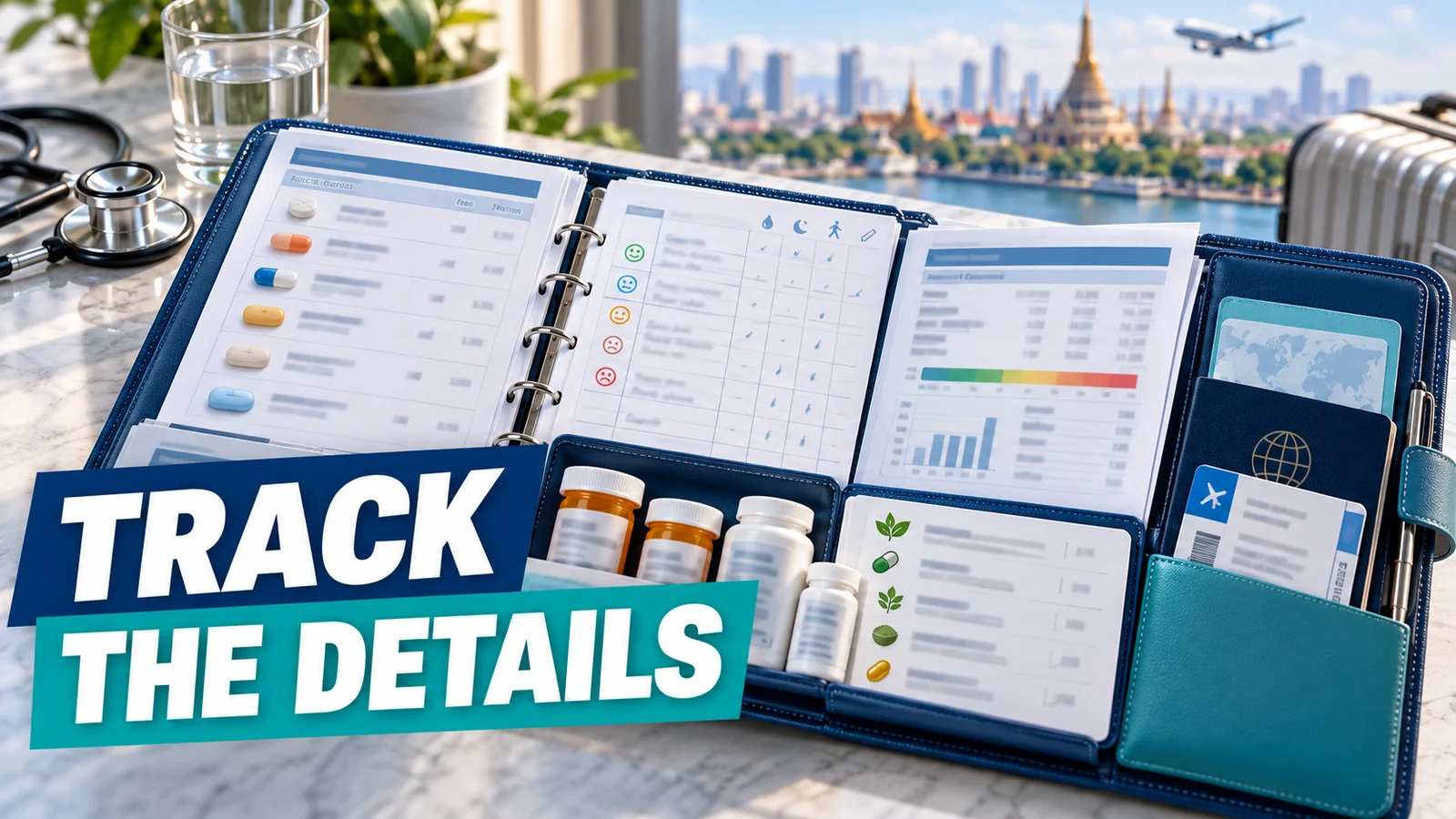
A Practical File Structure for Travel and Record Sharing
Use clear, dated filenames and maintain original copies. For example:
- "01_Current_Medication_List.pdf"
- "02_Statin_Timeline.pdf"
- "03_Lipid_Results_2026-03.pdf"
- "04_Clinician_Note_on_Medicine_Change.pdf"
- "05_Symptom_Timeline.pdf"
- "06_Discharge_Summary_if_Relevant.pdf"
Keep a short index explaining the document type, date, language, and whether it is an original or translation. Ask the receiving facility what it needs and use an appropriate channel. Avoid sending passport information, payment details, or public links to medical records unless required for a stated purpose and an appropriate secure process is available.
Questions to Prepare for a Cardiac-Care Conversation in China
- Which current medicine list, statin timeline, and laboratory reports should be shared first?
- Does the facility need an updated letter from my current clinician before it can review the history?
- Which records should be translated, and what file format is accepted?
- If symptoms occurred during a prior medicine period, which related notes or test results are useful to send?
- What questions should I discuss with my local clinician before traveling?
An administrative reply or request for documents does not diagnose a medicine reaction, confirm a new prescription, or establish that treatment will be available on a particular date.
Keep Treatment Decisions With the Clinicians Responsible for Care
Do not stop, restart, split, double, substitute, or change the timing of a statin because you are travelling or preparing a record package. Do not use this article to decide whether a supplement, food, alcohol, exercise, or another medicine is safe in your individual case. Bring the facts to your clinician and follow the plan they provide.
What MedToChina Can and Cannot Do
MedToChina can help international patients organize existing statin histories, medicine lists, laboratory reports, and practical questions for a China-care service conversation. It does not diagnose a medication reaction, determine whether a symptom is caused by a statin, prescribe or alter medicines, interpret laboratory results, provide diagnosis through this page, or promise a particular hospital, doctor, appointment, treatment, or clinical outcome.
Frequently Asked Questions
Should I Stop a Statin Before Sending Records or Traveling to China?
No. Do not change prescribed treatment based on this guide. Discuss any concern, side effect, travel issue, or medicine question with the clinician responsible for your care.
What if I Cannot Remember the Exact Dose or Dates?
Use pharmacy labels, prescriptions, clinician notes, and discharge papers to reconstruct the timeline. Mark any remaining dates as approximate rather than guessing.
Does Muscle Discomfort Prove That a Statin Caused It?
No. Symptoms can have different causes. Record when they happened and what care you received, then let a qualified clinician assess the history.
Can MedToChina Advise Which Cholesterol Medicine I Should Take?
No. MedToChina can help organize practical records and questions. Medication decisions require qualified clinical assessment.
Related MedToChina Resources
- Medical clearance before treatment in China
- China-ready medical records checklist
- Heart valve evaluation records for China
- Arrhythmia ablation records to prepare
Send Your Records and Questions Through WhatsApp
Submit existing statin medication history and practical questions through WhatsApp. MedToChina can help organize a concise document list for a China-care service conversation. If you have severe or urgent symptoms, seek appropriate local medical help rather than waiting for a travel-planning reply.
Medical Disclaimer
This article is general information, not medical advice, diagnosis, medication guidance, or a promise of care. It does not replace clinical assessment or tell you to change treatment. Seek urgent local medical help for urgent symptoms. Decisions about statins, other medicines, tests, travel, and treatment must be made with qualified clinicians who know your condition.
References
- MedlinePlus. How to take statins.
- American Heart Association. Managing Your Medications.
- National Health Service. Statins.
- American Heart Association. Medication Interactions: Food, Supplements and Other Drugs.